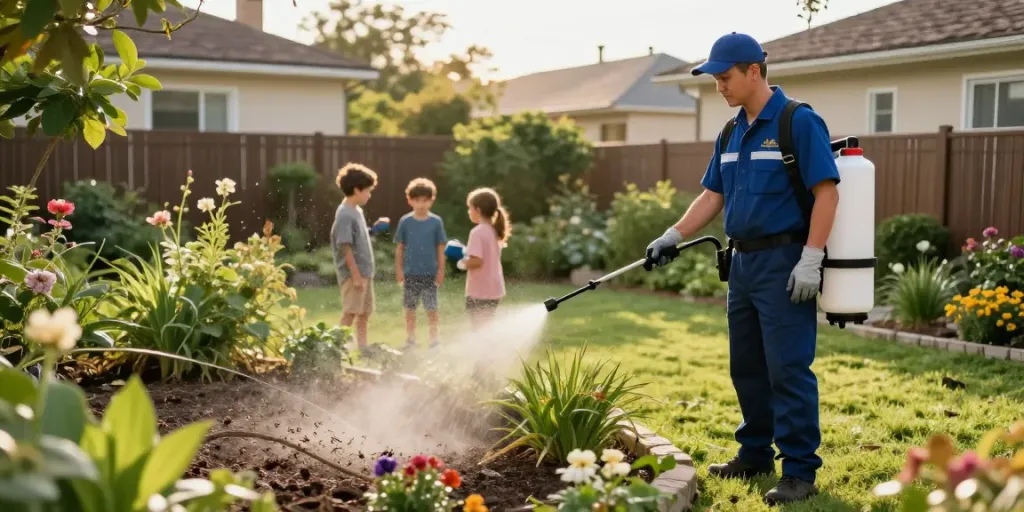
Understanding Pest Control: The Basics
Pest control is a critical aspect of maintaining a safe and healthy living environment. As our homes become more insulated and energy-efficient, they can also inadvertently become breeding grounds for various pests. Understanding pest control involves knowing what pests you may encounter, the risks they pose, and the methods for effectively managing their populations.
What is Pest Control and Why It's Important?
Pest control is the practice of managing and regulating species defined as pests, which can include insects, rodents, and other vermin. The primary goal is to prevent these organisms from causing damage to structures, crops, and health. Understanding why pest control is essential includes recognizing that pests can carry diseases, contaminate food, and harm property.
Common Types of Pests in Residential Areas
In residential settings, the most common pests include:
- Ants: Particularly troublesome are carpenter ants and fire ants.
- Rodents: Mice and rats can breed rapidly and cause significant health risks.
- Termites: Known for causing extensive damage to wooden structures.
- Bed Bugs: Easily spread through travel and can lead to discomfort and sleepless nights.
- Spiders: While some are harmless, others may pose venomous threats.
Health Risks Associated with Pests
Pests can significantly impact health and well-being. Rodents can carry diseases like hantavirus and leptospirosis, while insects like mosquitoes are vectors for diseases such as Zika virus and West Nile virus. Furthermore, pest droppings can lead to allergic reactions and asthma attacks, especially in children. Therefore, pest control is not just about property management but is also vital for public health.
Choosing the Right Pest Control Method
With various pest control methods available, selecting the right approach can be overwhelming. Key considerations include the type of pest, the level of infestation, and personal preferences regarding treatment types.
Natural vs. Chemical Pest Control Solutions
Natural pest control solutions, such as diatomaceous earth or essential oils, are often viewed as safer alternatives to chemical pesticides. They may take longer to show results but are generally less harmful to the environment and non-target species. Chemical solutions can offer immediate results but require careful handling to minimize health risks. The choice often depends on the severity of the infestation and environmental considerations.
How to Identify the Best Pest Control Services
When looking to hire pest control services, consider the following:
- Licensing and certifications: Ensure the company is certified to operate in your area.
- Experience: Look for companies with a proven track record in dealing with your specific type of pest.
- Customer reviews: Online reviews can provide insight into the effectiveness and reliability of the service.
- Methods used: Inquire about the techniques and products the company employs, especially if eco-friendliness is a priority for you.
DIY Pest Control Techniques: What Works?
Many homeowners prefer to tackle pest problems on their own. Effective DIY pest control techniques include sealing entry points, maintaining cleanliness, and using traps or baits specific to the pest. However, knowing when to call a professional is crucial—especially with persistent or large-scale infestations.
Preventing Pest Infestations in Your Home
Preventing pest infestations is often easier and more cost-effective than dealing with a full-blown invasion. Effective preventive measures can save you both time and money in the long run.
Seasonal Tips for Pest Prevention
Each season brings unique pest challenges. Here are preventative tips for each:
- Spring: Inspect your home for cracks and gaps as pests emerge from their winter hiding places.
- Summer: Keep outdoor areas tidy and remove standing water to deter mosquitoes.
- Fall: Seal entry points and consider professional treatment as pests seek shelter indoors.
- Winter: Ensure adequate insulation and check for signs of rodents.
Home Maintenance Practices to Avoid Infestations
Regular home maintenance can help keep pests at bay. This includes:
- Cleaning gutters to prevent moisture buildup.
- Properly storing food and sealing containers.
- Removing clutter where pests could hide.
- Regularly checking for signs of pests or damage.
Using Landscaping to Deter Pests
Smart landscaping choices can discourage pests. Consider creating barriers using plants that repel bugs, such as marigolds or citronella. Additionally, ensuring a distance between plants and your home can prevent pest access.
Advanced Pest Control Technologies in 2026
As the pest control industry evolves, new technologies are emerging that enhance traditional methods and provide innovative solutions to common problems.
Trends in Pest Control Solutions: What's New?
Recent trends include the increased use of integrated pest management (IPM), which emphasizes long-term prevention and uses a combination of techniques. Other innovations involve smart traps that use technology to monitor pest populations and automatically alert homeowners or pest control professionals.
The Role of IoT in Monitoring Pests
The Internet of Things (IoT) is playing an increasingly significant role in pest control. Smart devices equipped with sensors can track pest activity, providing data that helps in making informed decisions about pest management strategies. These devices can alert homeowners when pest activity is detected, allowing for timely intervention.
Innovative Treatments: What Science Offers
Recent scientific advancements have led to the development of more effective treatments. For example, biopesticides, which are derived from natural materials, are gaining traction for their effectiveness and minimal environmental impact. Genetic modification techniques are also being explored to create pest-resistant crop varieties, which could reduce reliance on traditional pesticides.
Evaluating Pest Control Effectiveness and Sustainability
Once pest control measures are implemented, evaluating their effectiveness is crucial to ensure sustainable pest management.
How to Measure the Success of Your Pest Control Efforts?
To assess the success of pest control efforts, consider:
- Monitoring pest activity regularly post-treatment.
- Assessing changes in damage or infestation levels.
- Using traps or other methods to quantify pest populations over time.
Understanding Sustainable Pest Control Practices
Sustainable pest control practices prioritize methods that are environmentally friendly and have minimal impact on non-target species. This includes opting for natural pest deterrents and supporting pest-resistant crop varieties.
Future Trends in Pest Control: What to Expect?
The future of pest control is likely to see a greater focus on sustainability, technological advancements, and integration of ecological principles into practices. As consumers become more environmentally conscious, pest control companies will need to adapt their offerings to meet these changing demands.
What are the most common pests homeowners face?
Homeowners often deal with a variety of pests, including cockroaches, ants, spiders, termites, and rodents. Understanding the specific pest you’re facing can aid in effective management and control.
How can I prevent pests from entering my home?
Preventing pests involves sealing entry points, maintaining cleanliness, and making strategic landscaping choices to deter pests from approaching your home.
What are the benefits of hiring a professional pest control service?
Professional pest control services offer expertise, advanced techniques, and access to products that are not available to the public. They can provide tailored solutions based on the specific pests you’re facing and help ensure long-term management.
Are natural pest control methods effective?
Natural pest control methods can be effective, especially for smaller infestations or as preventive measures. However, they may not always provide the immediate or comprehensive results that chemical treatments can offer.
How often should I schedule pest control treatments?
The frequency of pest control treatments depends on the type of pest, the level of infestation, and the methods used. Many experts recommend quarterly treatments for ongoing pest management, particularly in areas prone to infestations.