Understanding Features of the Best Beginner 3D Printer
As the world of 3D printing continues to evolve, prospective users often find themselves overwhelmed by the plethora of options available. However, the Best beginner 3D printer stands out with its user-friendly features, robust capabilities, and exceptional value for money. This article will delve into essential elements that define a well-rounded beginner 3D printer while addressing common queries and hesitations faced by newcomers.
Performance Metrics: What Beginners Need to Know
When evaluating a 3D printer, performance metrics such as print speed, accuracy, and layer resolution are crucial. For beginners, a printer that delivers a resolution of at least 0.1 mm is recommended to ensure smooth prints. The SPARKX i7, for instance, boasts a build volume of 260 x 260 x 255 mm, enabling the creation of a wide range of models from simple designs to complex structures. Understanding these specifications helps aspiring makers choose machines that can meet their project requirements while minimizing frustration.
Design Simplifications: User-Friendly Interfaces
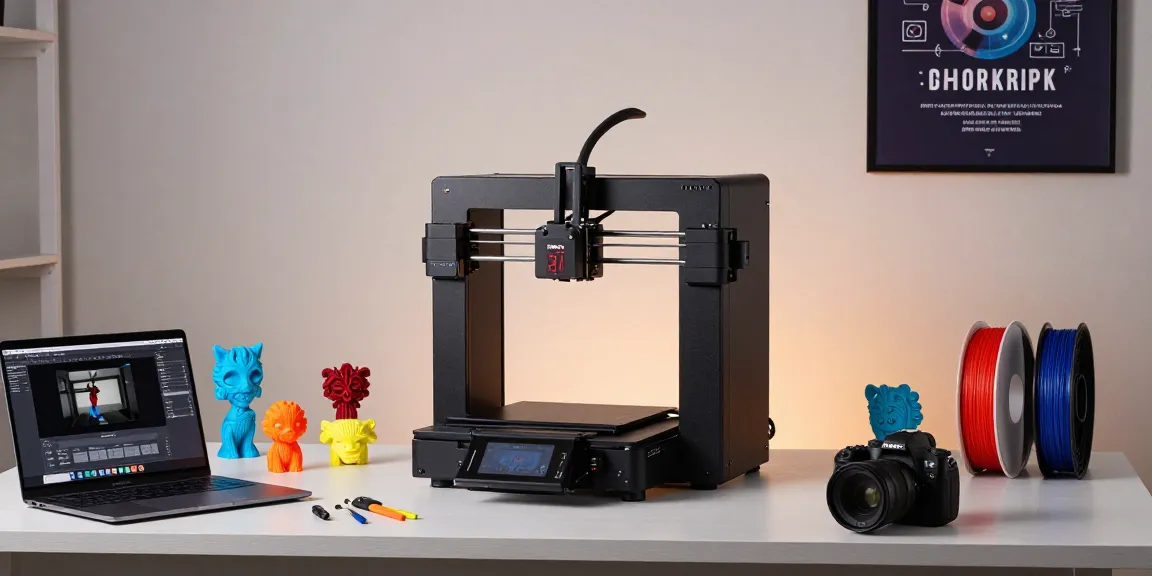
Ease of use is vital for beginners. Many contemporary printers feature intuitive interfaces that simplify the printing process. The SPARKX i7 incorporates a user-friendly touchscreen, making it easy to navigate settings and monitor print jobs. Moreover, features like auto bed leveling and a one-click filament loading mechanism remove common obstacles for novice users, allowing them to focus on creativity instead of troubleshooting.
Maintenance Requirements: Keeping Your Printer Running Smoothly
Regular maintenance is essential for optimal performance, even in beginner 3D printers. Many models, including the SPARKX i7, are designed for easy upkeep. Essential tasks such as nozzle cleaning and print bed calibration can be performed without extensive technical knowledge. Looking for printers that provide clear instructions and support can further ease the process, ensuring that users maintain print quality over time.
Essential 3D Printing Technologies for New Users
For those beginning their journey into 3D printing, understanding the technology behind their machines is crucial. Familiarity with various filament types, software compatibility, and innovative printing techniques, can enhance their experiences.
Common Filament Types and Their Uses
- PLA (Polylactic Acid): A biodegradable plastic that is easy to print with, making it ideal for beginners.
- ABS (Acrylonitrile Butadiene Styrene): A more robust material suited for items requiring durability but needs proper ventilation during printing.
- PETG (Polyethylene Terephthalate Glycol): Known for its strength and flexibility, it’s a great choice for functional parts.
- TPU (Thermoplastic Polyurethane): A flexible filament, ideal for projects requiring elasticity.
Exploring Multi-Color Printing Capabilities
The SPARKX i7 features advanced multi-color printing options that allow users to experiment creatively without frequent filament changes. This functionality is especially beneficial for creating visually appealing designs and unique prototypes. Understanding how to utilize these capabilities can distinguish basic projects from artistic masterpieces.
Software Compatibility: Choosing the Right Design Software
Software plays a critical role in the 3D printing process. Beginners should familiarize themselves with popular slicers such as Ultimaker Cura, PrusaSlicer, and Creality's proprietary software, which simplifies the transition from design to printing. Each software solution comes with various features to suit different complexity levels, catering to both beginners and more seasoned users.
Comparative Analysis: Beginner vs. Advanced 3D Printers
Understanding the differences between beginner and advanced 3D printers helps users make informed purchasing decisions. This section will explore the cost-effectiveness, ease of use, and print quality differentiators that define each category.
Cost-effectiveness: Value for Money in Entry-Level Models
Entry-level 3D printers like the SPARKX i7 deliver exceptional value by providing essential features at an affordable price point. While advanced models might include additional capabilities, the cost often outweighs the benefits for novice users. Focusing on basics such as reliability, service support, and ease of use ensures that budget-conscious users don’t miss out on quality.
Ease of Use: User Experiences and Reviews
Customer reviews are invaluable for understanding user experiences. Many first-time users report that the SPARKX i7's straightforward setup and operation were significant factors in their satisfaction. Feedback often highlights features such as the auto bed leveling system and a responsive touchscreen interface that contribute to hassle-free printing experiences.
Print Quality: Understanding Expectations
When managing expectations, it’s important to recognize the limitations of beginner printers. While models like the SPARKX i7 can produce high-quality prints, understanding the intricate balance between speed and quality is essential. Users should be prepared for a period of adjustment as they learn the capabilities and limitations of their machines.
Best Practices for New 3D Printer Owners
To maximize the enjoyment and efficiency of 3D printing, beginners should adopt several best practices, ranging from setup tips to community engagement.
Setting Up Your First Print: Step-by-Step Guide
Starting your first print may seem daunting, but following a structured approach can mitigate anxiety:
- Unbox and position your printer in a stable environment with adequate space.
- Power on the machine and complete any software installations as needed.
- Load the filament and initiate the auto bed leveling feature.
- Select a test print model and adjust settings based on recommended guidelines.
- Press "print" and monitor the first layer closely for adjustments.
Common Mistakes to Avoid as a Beginner
- Neglecting Leveling: Always check bed leveling; an unlevel bed can lead to print failures.
- Ignoring First Layer Conditions: The first layer is critical; ensure proper adhesion and settings.
- Overloading Filament: Using too much filament can cause jams and impede print quality.
- Skipping Maintenance: Regular checks on nozzles and bed surfaces prevent long-term issues.
Harnessing Community Support: Online Resources
Engaging in forums and communities dedicated to 3D printing can yield significant benefits for newcomers. Websites like Reddit, Thingiverse, and Discord groups offer platforms where users can ask questions, share experiences, and access a wealth of knowledge. Developing connections with other enthusiasts fosters a sense of community and provides invaluable learning opportunities.
Future Trends in the 3D Printing Industry
As the landscape of 3D printing continues to evolve, staying abreast of new trends is essential for any user aiming to leverage this technology for personal or professional projects.
Sustainability in 3D Printing: Eco-Friendly Materials
With a growing emphasis on sustainability, the future of 3D printing includes the development of eco-friendly materials such as biodegradable filaments and recycled plastics. Creators are increasingly looking for ways to reduce material waste and carbon footprints, making this a valuable area for innovation and investment.
The Role of AI in Advancing 3D Printing Technology
Artificial Intelligence (AI) is making strides in enhancing the 3D printing process, optimizing print parameters, and facilitating real-time monitoring. AI-driven systems can learn from user behaviors to improve outcomes, making printing more efficient and reliable as technology advances.
Predictions for the Best Beginner 3D Printers in 2027
Looking ahead, 3D printers are projected to become even more user-friendly, incorporating features that cater specifically to beginners. Expectations for lower pricing, improved material compatibility, and seamless integration with smart technologies will likely shape the next generation of models, enabling even broader access to this exciting field.
Frequently Asked Questions
What is the ideal first 3D printer for beginners?
Choosing a beginner-friendly printer such as the SPARKX i7 allows users to enjoy a seamless introduction to 3D printing. Its blend of performance, ease of use, and community support make it an excellent choice for novice makers.
How complicated is the maintenance for beginner 3D printers?
Most beginner 3D printers are designed with minimal maintenance in mind. Regular cleaning and checks will help ensure smooth operation, and many manufacturers offer support to assist newcomers in these tasks.
Can I use a beginner 3D printer for professional projects?
Yes, while beginner 3D printers are designed for ease of use, they can also produce quality results suitable for various professional applications. As users grow familiar with the technology, they can explore more advanced techniques and workflows to meet higher standards.